How to Win Your Market: Target Marketing is the Future Now
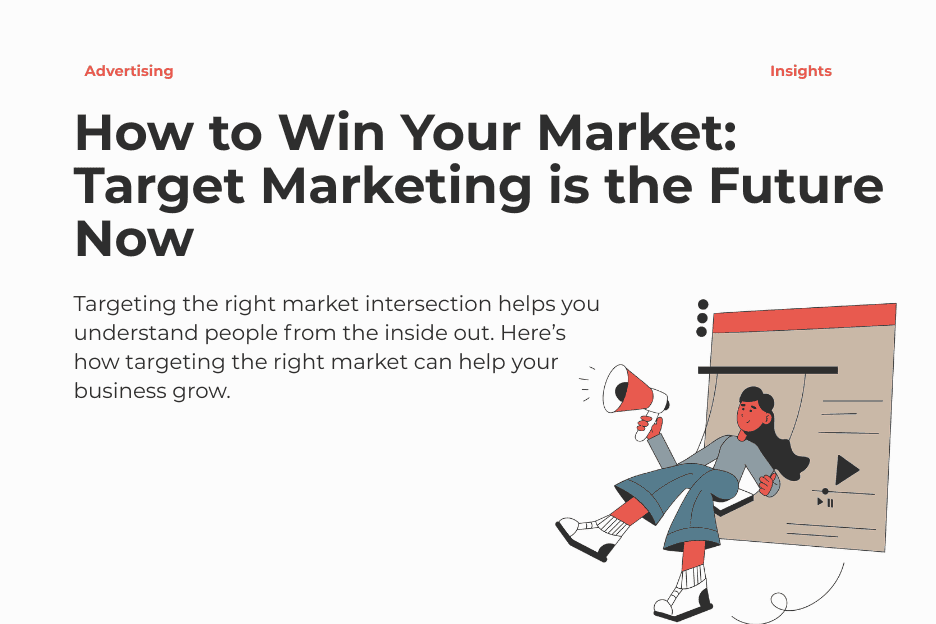
Target marketing is essentially tailoring your offerings, advertisements, and marketing based on your target buyers and audiences. It’s about knowing where to put up your banners and posters, who to send your newsletters to and which customers to follow up with after they’ve visited your site or searched for a keyword.
How do I Determine My Market Strategy
Marketing strategies vary by brand type. Different types of businesses use different ways to target markets. But first, let’s break down the basic business types to understand their audience targeting models.
1. Business Type
Marketing strategy varies in accordance with the general brand archetypes listed below:
- B2B (Business to Business): Brands that cater to other brands to sell products or services.
- B2C (Brand to Customer): Brands that cater to customers either directly or through retailers and distributors to sell products or services.
- D2C (Direct to Customer): Brands that sell products or services directly to customers – cutting out the middlemen.
- NGO / Non-profit Brands: These are public service brands that operate under the guidance of or in collaboration with governments.
We’ll mostly focus on B2C and B2B businesses here.
Most businesses start off trying to understand the available markets and target audiences. Sometimes brands know their market and audience demographics – other times, they have to test the waters to figure it out. In either case, they should tailor their brand and product messaging to suit their target market and audience.
If you’re selling a product or a service, ask yourself: Who will it benefit the most? What problem will it solve? Does it add any meaningful value to them? If you don’t have an answer, continue reading.
2. Market Types
Markets are a collective, often geographical entity. If you can influence its key players, then you have a high chance of winning the whole market. The following are the broad market types considered by any brand or business before jumping in:
- Global
- Local
- Regional
- Urban
- Rural
- Digital
The B2C businesses mostly focus on influencing the following factors while defining their market strategy and messaging:
- Audience Demographic
- Audience behaviour
- Customer Wants and Needs
- Customer’s Choices and Impulses
- Personal Goals and Drives
Questions that Help You Research Your Audience
To sum it up, if you have a B2C brand, when you are researching your target audience or market, you should ask these questions to understand your target audience:
- Who are the people I am targeting?
- What do they need?
- What drives them?
- What do they want?
- Why do they want it now?
For B2B businesses, these factors are a little different because they are selling products and services to other businesses – not individuals. The following are some factors that affect that:
- Industry
- Competition
- Company size
- Business model
- Location
These factors affect the estimated ROI that the brand expects the buyer’s brands to offer. You can also use demographic and psychographic data to identify and create prospective buyer personas and customer profiles that will help you understand their purchase decisions and the media channels frequented by them to show up at the right place at the right time.
Modes of Targeting
After the launch phase, brands eventually delve into various modes of target marketing to better gauge their audience's demographics into more concrete segments. Based on these, they cater to the promotional launches of their unique offerings. The various modes of targeting can be categorized as follows:
Demographics
The demographic target market focuses on individual traits. For B2C brands, it means focusing on tangible or measurable traits of individuals. For B2B brands, it means focusing on individual brands as a unit.
B2C brands focus on the following attributes:
- Age
- Gender
- Location
- Income
- Education
B2B brands focus on the following:
- Company size
- Industry
- Revenue model
- Buying committee structure
- Decision-maker structure
- Behavior-based Targeting
Behavioural targeting stems from studying tangible, measurable audience behavior offline and online towards the brand’s various touchpoints. Technology then uses this information to make buyer profiles and cater specific products and services accordingly.
B2C brands observe the following attributes:
- Purchase frequency
- Browsing habits
- Brand loyalty
- Coupon use (if any)
- Churn risk
B2B brands observe organizational behaviors:
- Procurement cycles
- Budget processes
- Vendor evaluation patterns
- Stakeholder buying patterns
- Contract renewal behaviors
Psychographic-Based Targeting
Psychographic differ from behavioural models, as they focus on the individual psychological patterns of their customers. Behavioural targeting looks at the external actions, while psychographic targeting looks at the internal drivers.
B2C brands gauge the following:
- Values
- Lifestyle goals & preferences
- Attitudes & beliefs
- Style preferences
- Career preferences
B2B brands instead look at:
- Company philosophy
- Strategic priorities
- Innovation mindset
- Regulatory structure
- Risk measurement model
- Procurement philosophy
Transactional Targeting
Transactional targeting is all about addressing the basic needs of customers – unlike psychographic targeting, it doesn’t evaluate deeper motivations and drives.
For B2C brands, they look at personal needs like:
- Convenience
- Status
- Comfort
- Entertainment
- Identity expressions
For B2B brands, they look at the business needs of customer brands:
- ROI (Return on investment)
- Efficiency
- Compliance
- Security
- Reliability
- Integration with existing systems
Geographic Targeting
Geographic marketing basically means keeping the marketing and target audiences region-specific. Both B2B and B2C brands look at some of the following metrics for type of targeting:
- Local competition
- Region-specific customer base
- Region-specific ROI
- Local logistics
- Situational Targeting
As it sounds, this is situational targeting based on special occasions like festivals, holidays or viral market trends.
For B2C brands, they market situationally for life moments:
- Festivals
- New parents
- Back-to-school
- Payday
- Seasonal trends
- Viral lifestyle trends
B2B brands look at business moments:
- End-of-quarter budget expenditure
- Contract renewals
- Regulatory deadlines
- Product lifecycle patterns
Market-Based Targeting
Targeting modes can also depend on markets – or the types of markets a brand is trying to target. These are some of the broad categories of markets:
- Mass markets
- Niche markets
- Segmented markets
- Microtargeting
Based on their approach, their messaging and marketing strategy can vastly differ even if they end up selling to the same group of people.
In the long run, brands often develop specific target or buyer segments which combine several targeting strategies to create specific groups so that their marketing strategy and messaging can become more personalized and intimate. The purpose is to develop a stronger connection with their target customers. This is often also called segmented marketing but essentially, it’s a combined derivative of these primary targeting strategies.
Targeting Channels
Target channels mean the platforms or mediums where brands market their products and services or deliver their messaging to customers. It's like choosing the right place to set up shop or put up posters.
Targeting channels are determined based on marketing strategies, target markets, customers, and specific messaging touchpoints. The following are the targeting channel categories and what kinds of advertisements they entail:
Digital Channels
Digital channels are highly targetable, as behavior on the internet can be tracked easily and accurately, and it automatically leads to demographic and psychographic insights. These generally encapsulate the online marketing arena, which includes:
- Social media (Instagram, Facebook, LinkedIn)
- Search ads (Google search results)
- Display ads (banners on websites)
- YouTube ads
- Programmatic advertising (automated ad buying based on data)
- Email marketing
- Influencers
Traditional Channels
Also known as offline channels, these are great for building legacy, geographic mass reach and brand awareness. These include platforms like:
- TV and radio
- Print (newspapers, magazines)
- Billboards
- Events and sponsorships
- In-store promotions
Direct Channels
Direct channels fall somewhere between online and offline channels. These are channels where brands can directly connect with customers for a more personalized and measurable experience. These include modes like:
- Email newsletters
- SMS and WhatsApp messaging
- CRM-based personalization
- Direct sales outreach
Owned Channels
Owned channels are ones directly set up and controlled by the brands. This channel exemplifies minimal media costs and high control. Owned channels may include both traditional and digital channels. These include:
- Website
- App
- Blog
- Customer community forums
B2B-Specific
B2B brands often defer to the following channels to reach out or market to decision-makers inside other brands. These include:
- LinkedIn (or similar employment or industry platforms)
- Industry conferences
- Webinars
- Whitepapers & case studies
- Account-based marketing (ABM) → (hyper-focused outreach to specific companies)
- Purpose of Marketing Strategies
The primary purpose of any marketing is to sell – the purpose of strategic marketing is to leave an impression and build a relationship with your target audience. Strategic marketing is all about retention and persona-building, and this is what all brands must eventually engage in if they want to be sustained as a brand and business.
This not only streamlines the marketing directives and processes but also stabilizes and strengthens brand recall and positioning. A focused strategic marketing approach also brings in more leads as the brand messaging and CTAs get clearer and more attractive to potential customers.
Can I Use AI to Target My Ideal Market
We’re in the age of AI, which is arguably one of the biggest boons in the marketing industry. Brands can leverage AI tools and services for creating hyper-niche market segments, which can be tracked and updated in real time. This will allow for laser-focused clarity in marketing campaigns – allowing for stronger messaging and connections with customers.
Pre-existing tools like Google Analytics, HubSpot, and so on are incorporating AI into their software for better market research, real-time tracking and informatics on current and upcoming trends. The following are some other tools and services that leverage AI for target marketing:
- CleverTap (AI-Personalization Platform)
- ZS (AI-Driven Dynamic Segmentation)
- Omnisend (AI Marketing Automation)
- Klaviyo (AI Segmentation Tools)
Summing Up
With so many factors to consider and track, almost every brand in every industry has its own specific models of targeted marketing where they combine several modes and channels for the desired leads and customers. At the end of the day, everyone and every brand communicates differently – and here at 2twelve, we can help you determine what marketing strategy would be best for you. So don't wait; let’s map the journey for your brand's success. Let's talk.